
Fire extinguishers: your first line of defence when seconds count
Updated: Sep 16, 2025
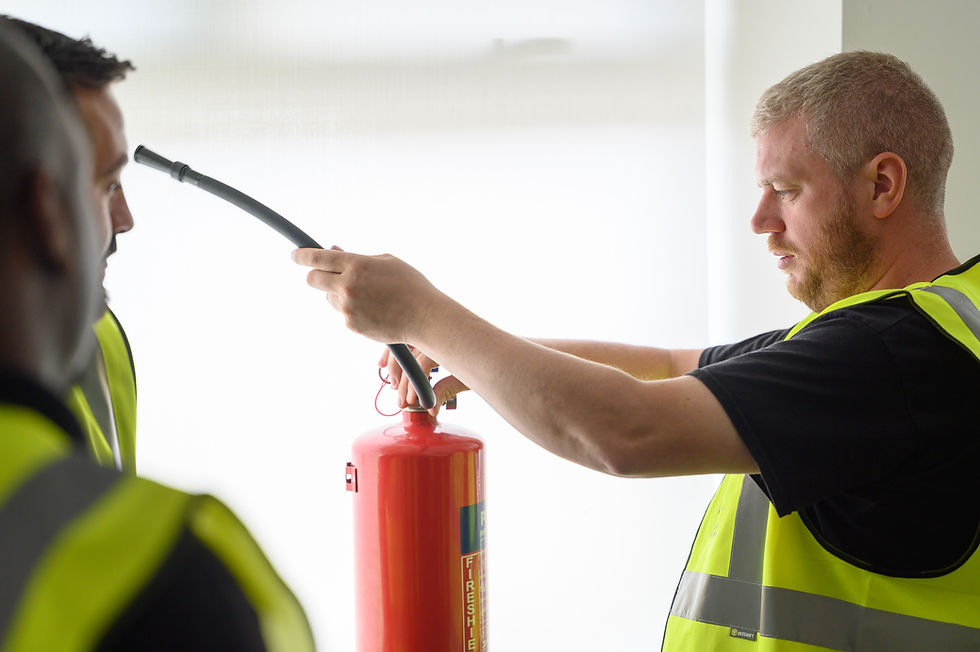
Fire safety is a critical part of any residential, commercial, or industrial environment and one of the most effective first-line defences against fire is the correct use of fire extinguishers.
However, with safety regulations continually evolving, staying compliant and prepared can be a challenge without clear guidance.
This overview outlines the key types of extinguishers, where they should be used, and the importance of regular maintenance.
Choosing the right fire extinguisher
Not all fires are the same and neither are fire extinguishers. Each type is designed to tackle specific classes of fire. Using the wrong extinguisher can worsen the situation or create additional hazards.
Here’s a breakdown of the most commonly used fire extinguishers and their intended applications:
Water and Water Additive Extinguishers
Suitable for Class A fires involving solid materials such as wood, paper, and textiles. These should not be used on flammable liquids or electrical fires.
Foam Spray Extinguishers
Effective on Class B fires involving flammable liquids like petrol, diesel, and certain paints. They can also be used on Class A fires.
Carbon Dioxide (CO₂) Extinguishers
Designed for use on electrical fires. These leave no residue, making them ideal for office and equipment-heavy environments.
Dry Powder Extinguishers
A multi-purpose option that works on Class A, B, and C fires, including those caused by flammable gases. While versatile, they may not be suitable for enclosed spaces due to reduced visibility and inhalation risks.
Wet Chemical Extinguishers
Specifically developed for Class F fires caused by cooking oils and fats. These are essential for commercial kitchens and food preparation areas.
Correct placement of extinguishers is essential. They should be clearly visible, easily accessible, and located in areas of higher risk (such as kitchens, workshops, or near electrical panels). Signage and wall mounting are also typically required under safety regulations.
When planning installation, a fire risk assessment should be carried out to determine the correct number, type, and location of extinguishers for the premises.
Keeping fire extinguishers ready for when it matters most
Under UK fire safety regulations (such as BS 5306-3), extinguishers must be serviced annually by a competent person.
These essential maintenance checks ensure that extinguishers are:
· Fully charged and operational
· Free from damage, corrosion, or tampering
· Correctly labelled and located
· Suitable for the risks present in the environment
In addition to annual servicing, a monthly visual inspection is recommended to check for obvious signs of wear or obstruction.
Fire safety is everyone’s responsibility
Fire extinguishers are not just regulatory requirements, they are critical life-saving tools. Selecting the right types, ensuring correct placement, and maintaining them regularly all contribute to a safer, more compliant environment.
Whether in a home, office, workshop, or public building, reviewing fire extinguisher provision should be a standard part of a wider fire safety strategy. A proactive approach helps prevent small incidents from becoming serious emergencies and demonstrates a clear commitment to health and safety.
If you think you need to step up your fire safety, talk to us. We can assess your space and advise you on exactly what you need. We also offer flexible service plans tailored to your building and budget, as well as ongoing support – from installation to maintenance and replacement.


Comments